
Zephyrhills FL Mold Remediation: Expert Removal Services & Treatment
Zephyrhills FL Mold Remediation: Expert Removal Services & Treatment
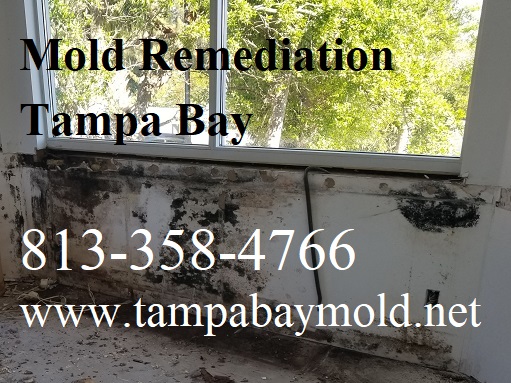
Mold Remediation In Zephyrhills FL
Key Things To Know:
- Mold can cause health issues and damage to your home if not addressed quickly.
- Identifying signs of mold infestation is crucial for timely remediation.
- Professional mold remediation is necessary for thorough and safe mold removal.
- Mold containment and advanced treatment strategies are part of professional remediation.
- Preventative measures are essential to ensure a mold-free environment post-remediation.
The Silent Invader: Identifying Mold in Your Zephyrhills Home
When it comes to your home, the air you breathe and the surfaces you touch should always be clean and safe. Mold, however, can stealthily compromise both. It’s a common issue in Zephyrhills, where the climate can encourage mold growth. Understanding how to spot the signs of mold is your first line of defense in protecting your home and health.
Signs of Mold Infestation
Be on the lookout for these telltale signs of mold in your home:
- A musty, earthy smell that’s particularly strong in certain areas.
- Visible growth that might look like spots, which can be various colors – black, white, green, or even pink.
- Excessive humidity in your home, which can feel like sticky air or see as condensation on windows.
- Water damage marks, since mold loves damp environments. This could be discoloration or peeling wallpaper.
- Allergic reactions or respiratory issues when at home, which improve when you’re away.
These signs suggest that it’s time to act. The longer mold is left unchecked, the more it grows and the harder it becomes to remove.
Health Risks Associated with Mold Exposure
Mold isn’t just unsightly; it’s a health hazard. Exposure can lead to a variety of symptoms, especially in those with allergies or asthma. Here’s what you might experience:
- Nasal stuffiness and throat irritation.
- Coughing or wheezing.
- Skin irritation or rashes.
- Eye irritation, such as itchy, red, watery eyes.
- In severe cases, mold exposure can lead to more serious lung infections.
Therefore, it’s not just about keeping your home looking good – it’s about keeping you and your family healthy.
Locating Mold Hotspots in Your Home
Now, let’s find where mold might be hiding. Start with areas where moisture is common. For more detailed guidance, consider reading about how to keep mold growth from happening in your home.
- Bathrooms and kitchens, particularly under sinks and around appliances.
- Basements or crawl spaces that may have poor ventilation or water leaks.
- Around windows or pipes where condensation builds up.
- In and around air conditioning units.
- Anywhere there has been water damage or flooding.
Remember, mold can be sneaky, growing behind walls or above ceiling tiles. If you suspect mold but can’t find it, it might be time to call in the pros.

Calling in the Experts: Why Professional Mold Remediation is Vital
It’s tempting to tackle mold removal yourself, but without the right knowledge and tools, you could be putting your health and home at risk. Let’s talk about why professional remediation isn’t just a choice, but a necessity.
The Risks of DIY Mold Removal
DIY mold removal can disturb mold colonies, sending spores airborne and spreading them throughout your home. Without proper containment, what was a small problem can become a house-wide issue. Moreover, household cleaners might not kill all types of mold, leading to a false sense of security and potential regrowth.
The Advantages of Professional Mold Assessment
Professional mold remediation services begin with a thorough assessment. They use specialized equipment to detect hidden mold and measure moisture levels. This step is crucial because it determines the scope of the infestation and informs the remediation strategy. Experts will:
- Identify the source of the moisture causing the mold.
- Assess the extent of mold growth and exposure.
- Develop a plan to not only remove the mold but also prevent its return.
Remember, mold remediation is about safety and effectiveness. Professionals have the training and equipment to ensure that when the mold is gone, it stays gone.
Behind the Scenes: How Professionals Eradicate Mold
Once a professional team arrives, they have a systematic approach to eradicating mold. It’s not just about cleaning up; it’s about ensuring the problem doesn’t return. Let’s peel back the curtain and see how they tackle the silent invader in your home.
Assessment and Inspection
The first step is always to assess the situation. Professionals will conduct a thorough inspection using tools like moisture meters and infrared cameras to find mold you can’t see with the naked eye. They’re looking for the extent of the mold growth and any water sources that may be feeding it.
They might also take air samples to determine the concentration of mold spores in your home. This helps to understand how widespread the issue is and if there are any dangerous types of mold present, like the infamous black mold, which can have more severe health effects.
Mold Containment Tactics
Before the actual cleanup begins, professionals will contain the area. This means sealing off the affected space with plastic sheeting and using negative air pressure to prevent mold spores from spreading during the removal process. It’s like putting the area under quarantine.
Containment is crucial because those tiny mold spores can easily become airborne and settle elsewhere, starting new colonies. By containing the area, professionals make sure the problem doesn’t just move from one place to another.
Advanced Mold Treatment Strategies
Now comes the actual removal. Professionals use a variety of methods depending on the severity and location of the mold. These can include:
- HEPA vacuuming to capture even the smallest spores.
- Antimicrobial and antifungal treatments to kill mold at the source.
- Removing and replacing mold-infested materials, like drywall or insulation.
They’ll also clean and disinfect all surfaces, including those that don’t appear to be affected, as a precaution. Learn more about how to keep mold growth from happening in your home with preventive measures.
Prevention: Stopping Mold Before It Starts
The best mold remediation is prevention. Professionals will identify the moisture problem that led to the mold outbreak and help you understand how to fix it. This could be as simple as improving ventilation or as complex as repairing a foundation leak.
They’ll also advise on maintaining low humidity levels and good air circulation, which are key to preventing mold growth. Simple changes, like using a dehumidifier or ensuring your bathroom has an effective exhaust fan, can make a big difference.

After the Cleanup: Ensuring a Mold-Free Environment
Once the professionals have finished their work, your job is to maintain a mold-free environment. The cleanup crew will have removed the mold, but it’s up to you to keep it from coming back.
They should provide you with a list of what was done and what you need to monitor. For instance, if part of your drywall was replaced, you’ll want to keep an eye on that area for any signs of moisture or new mold growth.
Additionally, if the source of the moisture wasn’t something that could be fixed during the mold remediation process, like a slow leak from a pipe inside a wall, you’ll need to address that promptly to prevent future mold problems.
Maintenance Tips for Homeowners
Here are some simple but effective tips to keep your home mold-free:
- Regularly check for leaks and fix them immediately.
- Use dehumidifiers in damp areas, and don’t let humidity levels exceed 50%.
- Ensure proper ventilation, especially in areas like kitchens and bathrooms.
- Clean and dry any areas of water damage within 24-48 hours to prevent mold growth.
- Use mold-resistant products when renovating or repairing your home.
When to Schedule Follow-Up Inspections
Even after professional remediation, it’s wise to stay vigilant. Schedule follow-up inspections to ensure the mold hasn’t returned. The frequency will depend on the initial severity of the mold problem and the solutions put in place. Here’s a general guideline:
- For minor issues, an annual inspection may suffice.
- If you’ve had significant mold problems, consider an inspection every 3-6 months.
- After any event that introduces water into your home, like a flood or a burst pipe, have an inspection as soon as possible.
These inspections are not just about peace of mind; they’re about catching any potential problems before they become major again.
Testimonials: Zephyrhills Residents Share Their Mold Remediation Success Stories
Nothing speaks louder than the experiences of those who’ve been through the process. Residents of Zephyrhills who’ve employed professional mold remediation services often share how it has improved their lives.
A Breath of Fresh Air: Families Speak Out
“We noticed our allergies were getting worse and couldn’t figure out why until we found mold behind our bathroom tiles. After the remediation, it’s like we can breathe again,” shares a Zephyrhills homeowner. It’s stories like these that underscore the importance of dealing with mold promptly and professionally.
Business Owners’ Experiences with Professional Mold Removal
Businesses aren’t immune to mold issues, and the stakes can be even higher when it comes to the health of employees and customers. A local café owner recounts, “We found mold in our storage room. The remediation team was thorough and helped us understand how to prevent it in the future. It was a relief to know we were providing a safe space for our customers and staff.”
- “After heavy rains, we noticed a musty smell in our bookstore. We called in a mold remediation team, and they were fantastic. They found the problem, fixed it, and gave us tips on keeping the store dry. Our customers have noticed the difference!” – Local bookstore owner
- “Our preschool had a small mold issue in one of the classrooms. The remediation service was quick, professional, and very considerate of our need to keep the children safe. They even worked after hours to minimize disruption.” – Preschool director
Whether it’s a family home or a local business, Zephyrhills residents have found that professional mold remediation is the key to a healthier, safer environment. By sharing their experiences, they highlight the benefits and peace of mind that comes with expert mold removal services.
Mold can cause health issues and damage to your home if not addressed quickly. Learn more about preventing mold growth in your home.
Identifying signs of mold infestation is crucial for timely remediation.
Professional mold remediation is necessary for thorough and safe mold removal.
Mold containment and advanced treatment strategies are part of professional remediation.
Preventative measures are essential to ensure a mold-free environment post-remediation.
The Silent Invader: Identifying Mold in Your Zephyrhills Home
When it comes to your home, the air you breathe and the surfaces you touch should always be clean and safe. Mold, however, can stealthily compromise both. It’s a common issue in Zephyrhills, where the climate can encourage mold growth. Understanding how to spot the signs of mold is your first line of defense in protecting your home and health.
Signs of Mold Infestation
Be on the lookout for these telltale signs of mold in your home:
- A musty, earthy smell that’s particularly strong in certain areas.
- Visible growth that might look like spots, which can be various colors – black, white, green, or even pink.
- Excessive humidity in your home, which can feel like sticky air or see as condensation on windows.
- Water damage marks, since mold loves damp environments. This could be discoloration or peeling wallpaper.
- Allergic reactions or respiratory issues when at home, which improve when you’re away.
These signs suggest that it’s time to act. The longer mold is left unchecked, the more it grows and the harder it becomes to remove.
Health Risks Associated with Mold Exposure
Mold isn’t just unsightly; it’s a health hazard. Exposure can lead to a variety of symptoms, especially in those with allergies or asthma. Here’s what you might experience:
- Nasal stuffiness and throat irritation.
- Coughing or wheezing.
- Skin irritation or rashes.
- Eye irritation, such as itchy, red, watery eyes.
- In severe cases, mold exposure can lead to more serious lung infections.
Therefore, it’s not just about keeping your home looking good – it’s about keeping you and your family healthy.
Locating Mold Hotspots in Your Home
Now, let’s find where mold might be hiding. Start with areas where moisture is common:
- Bathrooms and kitchens, particularly under sinks and around appliances.
- Basements or crawl spaces that may have poor ventilation or water leaks.
- Around windows or pipes where condensation builds up.
- In and around air conditioning units.
- Anywhere there has been water damage or flooding.
Remember, mold can be sneaky, growing behind walls or above ceiling tiles. If you suspect mold but can’t find it, it might be time to call in the pros.

Calling in the Experts: Why Professional Mold Remediation is Vital
It’s tempting to tackle mold removal yourself, but without the right knowledge and tools, you could be putting your health and home at risk. Let’s talk about why professional remediation isn’t just a choice, but a necessity.
The Risks of DIY Mold Removal
DIY mold removal can disturb mold colonies, sending spores airborne and spreading them throughout your home. Without proper containment, what was a small problem can become a house-wide issue. Moreover, household cleaners might not kill all types of mold, leading to a false sense of security and potential regrowth.
The Advantages of Professional Mold Assessment
Professional mold remediation services begin with a thorough mold assessment. They use specialized equipment to detect hidden mold and measure moisture levels. This step is crucial because it determines the scope of the infestation and informs the remediation strategy. Experts will:
- Identify the source of the moisture causing the mold.
- Assess the extent of mold growth and exposure.
- Develop a plan to not only remove the mold but also prevent its return.
Remember, mold remediation is about safety and effectiveness. Professionals have the training and equipment to ensure that when the mold is gone, it stays gone.
Behind the Scenes: How Professionals Eradicate Mold
Once a professional team arrives, they have a systematic approach to eradicating mold. It’s not just about cleaning up; it’s about ensuring the problem doesn’t return. Let’s peel back the curtain and see how they tackle the silent invader in your home.
Assessment and Inspection
The first step is always to assess the situation. Professionals will conduct a thorough inspection using tools like moisture meters and infrared cameras to find mold you can’t see with the naked eye. They’re looking for the extent of the mold growth and any water sources that may be feeding it.
They might also take air samples to determine the concentration of mold spores in your home. This helps to understand how widespread the issue is and if there are any dangerous types of mold present, like the infamous black mold, which can have more severe health effects.
Mold Containment Tactics
Before the actual cleanup begins, professionals will contain the area. This means sealing off the affected space with plastic sheeting and using negative air pressure to prevent mold spores from spreading during the removal process. It’s like putting the area under quarantine.
Containment is crucial because those tiny mold spores can easily become airborne and settle elsewhere, starting new colonies. By containing the area, professionals make sure the problem doesn’t just move from one place to another.
Advanced Mold Treatment Strategies
Now comes the actual removal. Professionals use a variety of methods depending on the severity and location of the mold. These can include:
- HEPA vacuuming to capture even the smallest spores.
- Antimicrobial and antifungal treatments to kill mold at the source.
- Removing and replacing mold-infested materials, like drywall or insulation.
They’ll also clean and disinfect all surfaces, including those that don’t appear to be affected, as a precaution.
Prevention: Stopping Mold Before It Starts
The best mold remediation is prevention. Professionals will identify the moisture problem that led to the mold outbreak and help you understand how to fix it. This could be as simple as improving ventilation or as complex as repairing a foundation leak.
They’ll also advise on maintaining low humidity levels and good air circulation, which are key to preventing mold growth. Simple changes, like using a dehumidifier or ensuring your bathroom has an effective exhaust fan, can make a big difference.
After the Cleanup: Ensuring a Mold-Free Environment
Once the professionals have finished their work, your job is to maintain a mold-free environment. The cleanup crew will have removed the mold, but it’s up to you to keep it from coming back.
They should provide you with a list of what was done and what you need to monitor. For instance, if part of your drywall was replaced, you’ll want to keep an eye on that area for any signs of moisture or new mold growth.
Additionally, if the source of the moisture wasn’t something that could be fixed during the mold remediation process, like a slow leak from a pipe inside a wall, you’ll need to address that promptly to prevent future mold problems.
Maintenance Tips for Homeowners
Here are some simple but effective tips to keep your home mold-free:
- Regularly check for leaks and fix them immediately.
- Use dehumidifiers in damp areas, and don’t let humidity levels exceed 50%.
- Ensure proper ventilation, especially in areas like kitchens and bathrooms.
- Clean and dry any areas of water damage within 24-48 hours to prevent mold growth.
- Use mold-resistant products when renovating or repairing your home.
When to Schedule Follow-Up Inspections
Even after professional remediation, it’s wise to stay vigilant. Schedule follow-up inspections to ensure the mold hasn’t returned. The frequency will depend on the initial severity of the mold problem and the solutions put in place. Here’s a general guideline:
- For minor issues, an annual inspection may suffice.
- If you’ve had significant mold problems, consider an inspection every 3-6 months.
- After any event that introduces water into your home, like a flood or a burst pipe, have an inspection as soon as possible.
These inspections are not just about peace of mind; they’re about catching any potential problems before they become major again.
Testimonials: Zephyrhills Residents Share Their Mold Remediation Success Stories
Nothing speaks louder than the experiences of those who’ve been through the process. Residents of Zephyrhills who’ve employed professional mold remediation services often share how it has improved their lives.
A Breath of Fresh Air: Families Speak Out
“We noticed our allergies were getting worse and couldn’t figure out why until we found mold behind our bathroom tiles. After the remediation, it’s like we can breathe again,” shares a Zephyrhills homeowner. It’s stories like these that underscore the importance of dealing with mold promptly and professionally.
Business Owners’ Experiences with Professional Mold Removal
Businesses aren’t immune to mold issues, and the stakes can be even higher when it comes to the health of employees and customers. A local café owner recounts, “We found mold in our storage room. The remediation team was thorough and helped us understand how to prevent it in the future. It was a relief to know we were providing a safe space for our customers and staff.”
Contact Us
Call Us Today at 813-358-4766 to schedule a mold remediation estimate, or fill out our online contact form for more information.